Plantar fasciitis feels deceptively simple at first. You wake up, take a few steps, and your heel protests with a sharp, hot stab. After a minute, it loosens. By afternoon, you barely notice it. Then the cycle repeats, and slowly the painful moments spread into the rest of your day. Most people recover with patient, consistent care, and a good Foot and ankle plantar fasciitis doctor rarely reaches for the scalpel early. But a subset of patients drift into chronic pain where every step feels like a reminder that the fascia has gone past irritated and turned stubborn. This is where a Foot and ankle plantar fasciitis surgeon becomes relevant, not as a first stop, but as a measured option after the fundamentals have been honored.
I have treated weekend runners, retail workers who log 20,000 steps in a day, teachers on hard floors, and ultramarathoners who thought they could train through the pain. The pattern is familiar, but the decisions are individual. When surgery is necessary, the reasons are concrete, the goals are specific, and the plan is transparent.
What plantar fasciitis really is
The plantar fascia is a thick, fibrous band that runs from the heel bone to the base of the toes, supporting the arch like a bowstring. With overuse, poor mechanics, or sudden increases in demand, microtears accumulate at its heel insertion. The body responds with inflammation, then scar formation and thickening. Early on, it behaves like a classic overuse injury: morning pain, improved with movement, returned pain after sitting, and tenderness at the anteromedial heel.
Over months, the pathology becomes less about inflammation and more about degenerative changes in the fascia. The tissue stiffens and loses its normal elasticity. That shift is one reason anti-inflammatories and ice help less over time. A Foot and ankle pain specialist will often use ultrasound to confirm thickening or partial tearing. X-rays may show a heel spur, but that spur is usually a witness, not the culprit.
Conservative care sets the foundation
Before a Foot and ankle orthopedic surgeon or Foot and ankle podiatric surgeon discusses operative options, we insist on thoughtful, sustained nonoperative care. This is not an afterthought. It is the main treatment for most people, and for good reason: more than 85 percent of patients improve within 6 to 12 months when they follow a structured plan.
The building blocks are straightforward, but the details matter. Calf stretching targets both the gastrocnemius and soleus, because tightness there drives extra tension through the plantar fascia with every step. Night splints keep the ankle in gentle dorsiflexion and the toes slightly extended, preventing the fascia from shortening overnight. A Foot and ankle care specialist may prescribe arch-supporting orthotics that decrease strain at the heel insertion, especially in flatfooted or hyperpronated mechanics. Activity modification is not code for sitting on the couch; it is a disciplined switch to low-impact conditioning while gradually rebuilding foot strength.
Gentle tissue work helps, but I caution patients about aggressive, painful massage that inflames the fascia further. A Foot and ankle podiatrist or Foot and ankle sports medicine specialist can guide progressive loading for the intrinsic foot muscles, toe flexors, and the posterior chain. People often overlook shoes. Ten-year-old trainers with compressed midsoles sabotage recovery. Replace them. If your job locks you on concrete for eight hours, negotiating anti-fatigue mats or shoe allowances sometimes heals better than any pill.
Corticosteroid injections can quiet a flare for a time. I use them judiciously because repeated steroids increase the risk of fascia weakening and rupture. Platelet-rich plasma (PRP) and other biologics carry mixed evidence, but for a subset with chronic degenerative changes and partial tears, they can help when combined with a carefully staged rehab program. Extracorporeal shockwave therapy is another option supported by reasonable data in recalcitrant cases. A Foot and ankle treatment doctor will tailor this menu to the person, not the diagnosis alone.
When conservative care is not enough
Surgery becomes a conversation when pain persists beyond 6 to 12 months despite diligent care, and when that pain limits daily life or work. There are edge cases. A firefighter who cannot perform because of persistent pain after nine months of care deserves a different threshold than a recreational walker who can tolerate slow improvement over a year. Similarly, ultrasound evidence of a stubborn partial tear that refuses to remodel despite targeted therapy may push us toward intervention sooner.
The decision is not purely time-based. We consider functional impairment, the quality of pain, imaging findings, occupational demands, and comorbid factors such as diabetes, systemic inflammatory conditions, or notable ankle contractures. A Foot and ankle plantar fasciitis specialist will sometimes see a pattern of recurrent flares that never fully resolve, with each episode harder to settle than the last. That cadence is a sign the fascia has remodeled poorly and may benefit from surgical release or focused debridement.
The preoperative workup that actually changes outcomes
A Foot and ankle medical doctor who operates on plantar fasciitis will still start as a detective. The heel is an intersection where several problems can masquerade as plantar fasciitis. Baxter’s nerve entrapment can present with heel pain and burning, particularly on the medial side, and it worsens with prolonged standing. A Foot and ankle nerve specialist will test for Tinel’s signs and examine for numbness. Insertional Achilles tendinopathy, fat pad atrophy, calcaneal stress fractures, tarsal tunnel syndrome, and S1 radiculopathy can all mimic the pain. Missing the true driver is how surgeries fail.
I rely on a careful physical exam, weightbearing assessment, and targeted imaging. Ultrasound helps confirm plantar fascia thickness and quality, guides injections, and maps partial tears. MRI is useful when the picture is muddy or when stress fracture or complex pathology is suspected. We measure ankle dorsiflexion with a bent and straight knee to quantify gastrocnemius tightness. If there is meaningful equinus contracture, a Foot and ankle Achilles specialist may recommend addressing the tight calf at the time of surgery, because persistent equinus will continue to load the fascia.
Surgical options and how they differ
When a Foot and ankle plantar fasciitis surgeon operates, the aim is to reduce pathologic tension, remove degenerative tissue if present, and protect foot mechanics. The techniques vary, and the right choice depends on your anatomy, your job, and your tolerance for downtime.
Partial plantar fascia release. This is the workhorse operation. The surgeon releases a portion of the medial band of the fascia near its origin, reducing peak tension without destabilizing the arch. Release is partial, typically around 30 to 50 percent, to protect the longitudinal arch. Too much release risks lateral column pain and arch collapse. A Foot and ankle minimally invasive surgeon may use a small incision or an endoscopic approach, which can speed early recovery but still requires thoughtful rehab.
Fasciotomy with debridement. When imaging shows a focal degenerative area or chronic partial tear, we combine release with debridement of scarred tissue. Think of it as pruning a branch to restore healthy growth. Some surgeons pair this with microfracture or drilling at the calcaneal origin to encourage a healing response.
Gastrocnemius recession. Tight calf muscles are a powerful driver of plantar fasciitis. If you have limited ankle dorsiflexion that is refractory to stretching, a gastrocnemius recession lengthens the calf to reduce the tug on the fascia. I consider this in middle-aged patients with longstanding equinus, or in those whose symptoms relapse as soon as stretches taper. Combining recession with partial release can be especially effective in stubborn cases. A Foot and ankle Achilles tendon surgeon is often the one to perform this procedure.
Open versus endoscopic technique. Endoscopic plantar fasciotomy uses a small incision and a camera to release the fascia. The upside is less soft tissue trauma and a faster early recovery. The downside is a slightly steeper learning curve and potentially less flexibility to address complex degeneration. An experienced Foot and ankle orthopedic surgeon or Foot and ankle podiatry surgeon will choose based on your pathology rather than on a single favored technique.
Adjuncts. Some cases benefit from addressing coexisting issues. A Foot and ankle flatfoot correction surgeon may discuss limited procedures to support an unstable arch if that instability is severe. Nerve decompression is considered if Baxter’s neuritis coexists. These are not routine in straightforward plantar fasciitis, but a Foot and ankle expert will raise them if your exam points that way.
What patients ask most
Patients want numbers, and they deserve realistic ones. After surgery, most see meaningful improvement in pain in 6 to 12 weeks, with full benefit accruing over 3 to 6 months. Return to desk work can happen in a few days to two weeks, depending on swelling and comfort. For standing jobs, plan on 4 to 6 weeks before full duty. Competitive running often resumes around 3 to 4 months, with a gradual build. Studies show success rates in the range of 75 to 90 percent for carefully selected patients, but success should be defined clearly: less pain, more function, and a durable outcome, not a return to zero sensation. That last few percent of tenderness with rare overuse often lingers, then fades as the tissues remodel.
Complications are uncommon but real. Over-release can cause lateral column pain, and a rare patient develops arch flattening. Nerve irritation can cause numbness or a burning sensation along the incision. Persistent pain happens if the wrong diagnosis was treated or if calf tightness was ignored. A Foot and ankle surgery specialist mitigates risk by precise release, careful protection of nerve branches, and honest preoperative planning.
The role of the surgeon within a broader team
The best outcomes come from teamwork. A Foot and ankle orthopedic doctor or Foot and ankle podiatric specialist may lead the operative plan, but physical therapists, athletic trainers, and shoe specialists carry the day in rehabilitation. After surgery, patients need a structured path: swelling control, protected weightbearing, early range of motion, and progressive loading. A Foot and ankle chronic pain doctor helps if central sensitization or long-standing pain behaviors complicate recovery. A Foot and ankle nerve surgeon steps in if nerve entrapment coexists. For patients with diabetes or impaired wound healing, a Foot and ankle diabetic foot surgeon or Foot and ankle wound care surgeon ensures incisions heal cleanly and safely.
For workers with heavy physical demands, an occupational health dialogue early avoids a gap between medical clearance and real-world capacity. A Foot and ankle sports injury doctor can tailor a return to play progression for athletes, including cadence drills, metronome-guided steps to reduce impact, and terrain choices that reduce eccentric loading during the transition back to running.
A practical pathway from first visit to potential surgery
What follows is a lean, real-world sequence that a Foot and ankle medical specialist might use to navigate care. It assumes the diagnosis is correct and no red flags exist.
- Weeks 0 to 6: Daily calf and plantar fascia stretches, night splint, switch to cushioned shoes with supportive insoles, activity modification to low-impact cardio. Short course of anti-inflammatories if tolerated. Education about morning step-off routine and workspace adjustments. Weeks 6 to 12: Add guided strengthening for intrinsic foot muscles and posterior chain, consider taping or orthotics refinement, introduce shockwave therapy if available and appropriate. If pain remains high, a single ultrasound-guided steroid injection can be considered. Months 3 to 6: Reassess mechanics and imaging. If thickened degenerative fascia persists with limited progress, consider PRP, continued shockwave, and a formal return-to-loading protocol with measurable milestones. Months 6 to 12: If impairment remains significant, discuss surgical options: partial fascia release with or without debridement, and gastrocnemius recession if equinus persists. Align on goals, timelines, and logistics. Postoperative months 0 to 3: Early protected weightbearing as advised, edema control, gradual progression to strengthening, gait retraining, and work or sport-specific reintroduction.
This is not rigid. A Foot and ankle consultant adjusts each step to your life and your response to treatment.
The small details that change results
From experience, a few details separate smooth recoveries from frustrating ones. Patients who do not change their footwear tend to cycle back into pain. People who stretch only the gastrocnemius and skip the soleus progress slower. Night splints are not comfortable, yet patients who use them consistently in the first 6 to 8 weeks often turn the corner earlier. After surgery, swelling is the silent saboteur. Diligent elevation, compression, and a sensible step count ceiling during the first two weeks prevent setbacks.
Runners should rebuild cadence early. A jump from 160 to 170 steps per minute at easy paces reduces vertical loading and helps protect the healing fascia. Standing professions benefit from microbreaks rather than a single long rest. Five minutes off your feet every hour beats a 30-minute break at the end of the shift. These small choices matter as much as the procedure itself.
Special scenarios a surgeon watches for
A Foot and ankle arthritis specialist sees older patients in whom hindfoot arthritis coexists with plantar fasciitis. In these cases, the fascia often compensates for stiff joints. Releasing the fascia may ease heel pain but can worsen midfoot ache unless the arthritis is addressed. A Foot and ankle joint surgeon or Foot and ankle joint repair surgeon may suggest targeted injections or bracing first, and rarely, staged interventions.
" width="560" height="315" style="border: none;" allowfullscreen="" >
Flatfoot deformity changes the equation. A pronounced, flexible flatfoot increases medial load. A Foot and ankle flatfoot surgeon will look at tibialis posterior function, hindfoot alignment, and the first ray. If alignment is severely abnormal, addressing plantar fasciitis without supporting the arch is short-sighted. That does not automatically mean big surgery. Sometimes it means disciplined orthoses and strengthening. Occasionally, in chronic failure of the tibialis posterior with rigid collapse, a Foot and ankle reconstructive specialist considers corrective procedures. Those are distinct paths, and experienced judgment keeps them separate unless necessary.
Chronic nerve pain around the heel calls for the eye of a Foot and ankle nerve specialist. Entrapment of the first branch of the lateral plantar nerve (Baxter’s nerve) masquerades as plantar fasciitis, particularly in people with high training volume or those with significant pronation. If nerve involvement dominates, decompression may be more effective than fascia release. A Foot and ankle nerve surgeon will test this hypothesis with targeted blocks before recommending surgery.
In workers with traumatic onset, a Foot and ankle trauma specialist or Foot and ankle injury doctor will ensure a calcaneal stress fracture is not hiding beneath heel pain. A missed fracture can mimic fasciitis for weeks and worsens with aggressive stretching.
What makes a good candidate for surgery
Three elements usually align. First, consistent, well-executed conservative care has failed over a meaningful period. Second, physical exam and imaging support a diagnosis of chronic plantar fasciopathy, with or without a partial tear, and do not point to a primary nerve or bone problem. Third, there is a clear functional deficit that matters to the patient: nearby foot and ankle clinics the inability to work a required shift, walk with family, or return to a valued sport.
A Foot and ankle orthopedic provider will also check readiness. Non-smokers heal better. Blood sugar control matters for wound healing. Expectations must be realistic. Surgery changes tissue tension; it does not replace a comprehensive rehabilitation path. Patients who see the operation as a reset that allows them to rebuild do well. Those who expect instant relief by day three are set up for frustration.
What recovery looks like, day by day and week by week
Immediately after surgery, soreness is most noticeable at the medial heel incision area, whether open or endoscopic. You will likely bear weight in a protective shoe within a few days, guided by your surgeon. The first week is about swelling control and gentle range of motion. By week two, sutures come out, and short, frequent walks around the house replace long stationary periods. At three to four weeks, strengthening of the intrinsic foot muscles resumes, along with gentle calf work that respects the healing fascia. If a gastrocnemius recession was performed, the calf stretch protocol begins earlier and focuses on regaining balanced dorsiflexion without forcing extremes.
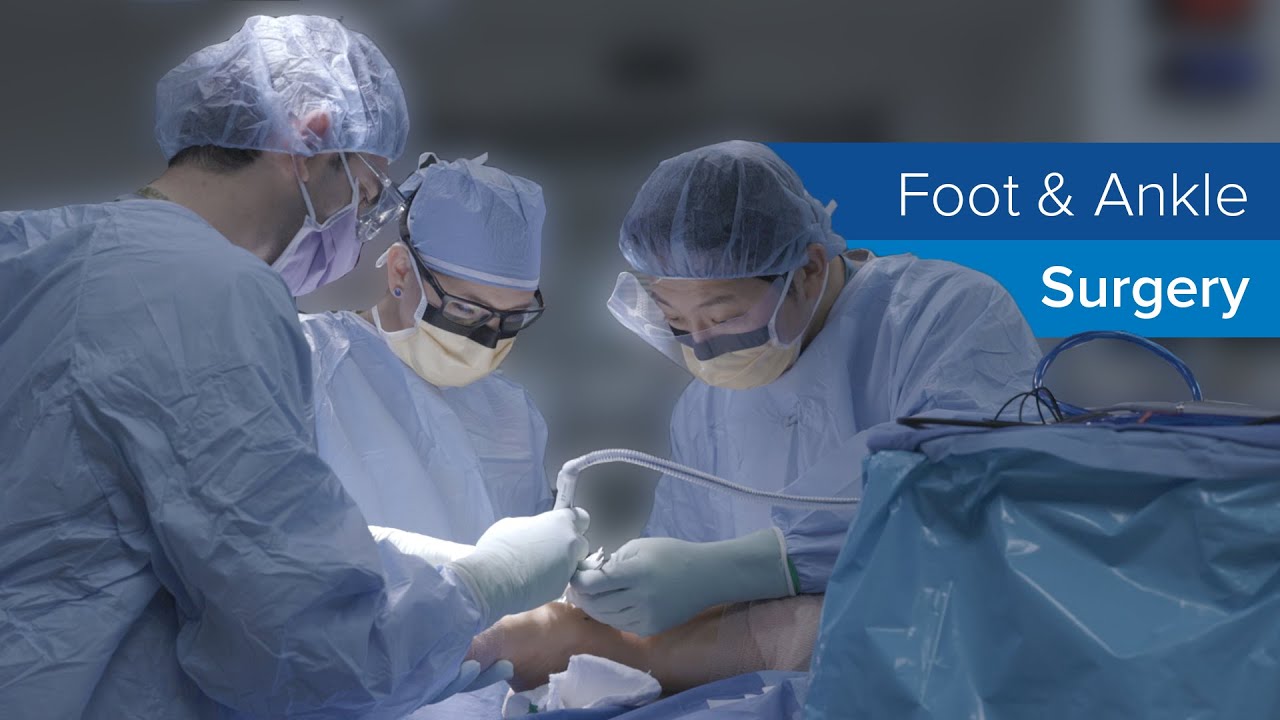
By six weeks, most people are in regular shoes with a supportive insole. Light cycling or pool running is fair game. Between eight and twelve weeks, the pace quickens. We introduce controlled plyometric drills for athletes and progressive standing duty for workers. Runners begin with a walk-run progression, cutting runs short at the first sign of heel tightness rather than pushing to pain. Your Foot and ankle foot specialist will track milestones, not just pain scores: morning step-off ease, single-leg calf raises without pain, the ability to complete a full shift, and tolerance for slopes or uneven ground.
What the surgeon’s title actually signals
Patients are understandably confused by titles. In practice, both Foot and ankle orthopedic surgeons and Foot and ankle podiatric surgeons perform plantar fascia procedures, with training differences that reflect their paths through medicine or podiatry. What matters most is volume, outcomes, and communication. A Foot and ankle surgery specialist who performs these operations regularly, tracks results, and collaborates with therapists often delivers the most reliable care.
If your case is complex, a subspecialist lens helps. A Foot and ankle ligament surgeon or Foot and ankle tendon surgeon brings a deep understanding of soft tissue balance. A Foot and ankle reconstructive orthopedic surgeon or Foot and ankle corrective foot specialist can navigate simultaneous deformity. For pediatric heel pain, which is often Sever’s disease rather than true plantar fasciitis, a Foot and ankle pediatric specialist will steer the plan away from surgery and toward growth-appropriate care.
Finding the right partner in care
Your search might start with “Foot and ankle surgeon near me” or “Foot and ankle specialist near me,” but the better filter is a conversation. Ask how often they operate for plantar fasciitis, what proportion of patients they treat without surgery, and how they decide to add a gastrocnemius recession. Ask about risks in your specific anatomy, not generic complications. A thoughtful Foot and ankle consultant will welcome those questions.
If you have persistent heel pain that hasn’t yielded to smart, consistent care, it is reasonable to see a Foot and ankle expert near me for a second opinion. Bring your shoes, your insoles, and any prior imaging. The more context we have, the better the plan.
A short, practical checklist before saying yes to surgery
- You have completed at least 4 to 6 months of structured, compliant nonoperative care guided by a Foot and ankle plantar fasciitis specialist. Your exam and imaging confirm chronic plantar fasciopathy, not a primary nerve entrapment, stress fracture, or systemic issue. You understand the specific procedure recommended, the amount of fascia to be released, and whether a gastrocnemius recession is part of the plan. You have a concrete rehabilitation timeline tailored to your job or sport, including work restrictions and return-to-activity milestones. You are prepared to adjust footwear, orthotics, and daily routines to protect the result long term.
The long game: preventing relapse
The plantar fascia forgives, but it remembers. After recovery, keep two habits permanent: maintain calf flexibility and respect shoe wear. Replace everyday shoes and trainers before they are visibly broken down. For runners, a rotation of two pairs spreads load and preserves cushioning. For those who stand at work, an insole with a mild medial post and a cushioned heel cup can keep symptoms at bay. If tightness creeps back, act in the first week, not the third month. Resume night splint use for a few nights, increase stretching frequency, and trim back impact volume. Small, early corrections prevent big problems.
A Foot and ankle foot doctor or Foot and ankle orthopedic foot surgeon wants to operate only when it changes your trajectory, not because time has passed. When surgery is needed, it is a precise tool. When it is not, the discipline of good shoes, strong calves, and smart training keeps you on the move without the scar.